600+
Muslim Youth Empowered
90+
100+
Blog Articles
16+
Workshops Conducted
Cities Reached
8+
Countries
3+
Continents
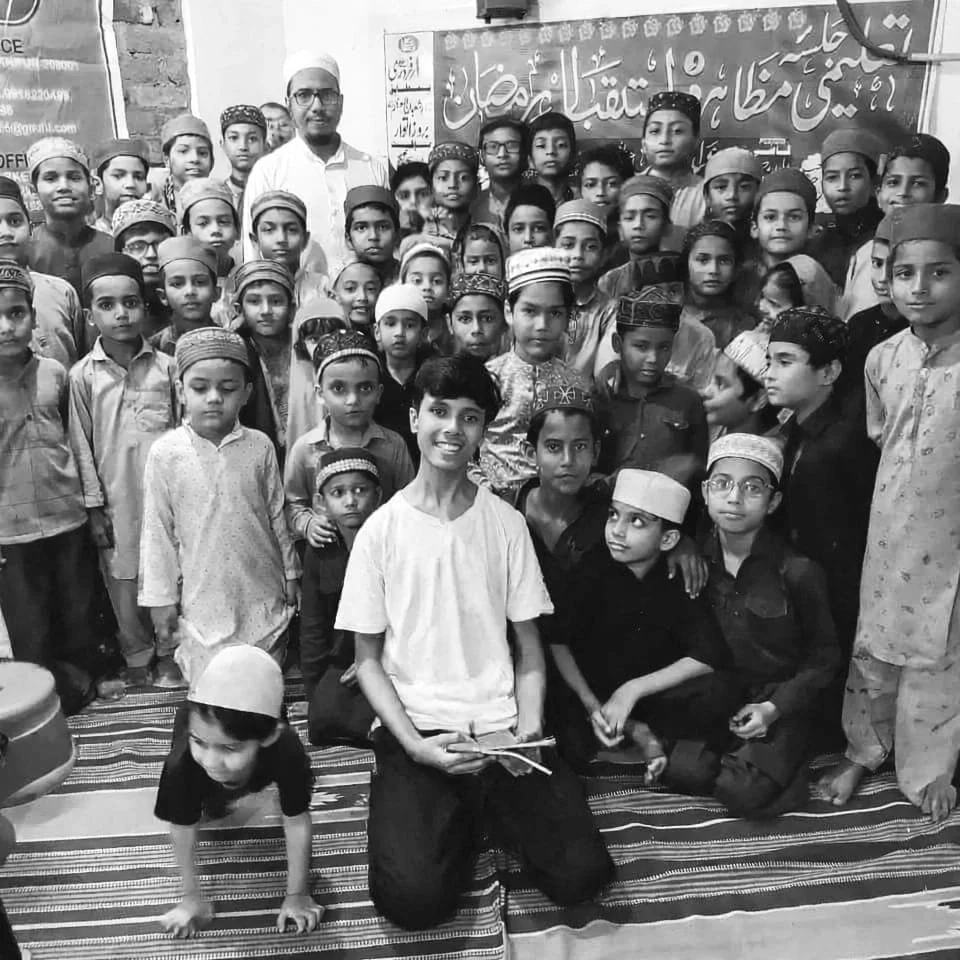
Muslim Youth Matter began with a question Abdullah Jawaid found himself asking as a madrasa student: why were the young people around him so rarely encouraged to engage with the political and social issues shaping their lives?
Growing up within the madrasa education system, Abdullah recognised a significant gap. While religious learning formed an important part of students' education, opportunities to explore civic participation, contemporary affairs, critical debate, and creative expression remained limited. Art, creative writing, and other avenues for self-expression were rarely integrated into their learning experiences. There were few spaces where students could question prevailing narratives, develop their perspectives, or communicate their ideas beyond the classroom.
What began as a desire to address this gap gradually became Muslim Youth Matter. In 2023, Abdullah started MYM as a blog, creating a platform for young people to explore political and social issues, share perspectives, and engage with conversations that often overlooked their communities. Over time, the platform grew into a collection of more than 90 articles covering subjects ranging from international relations and Gulf affairs to identity, representation, and contemporary politics.
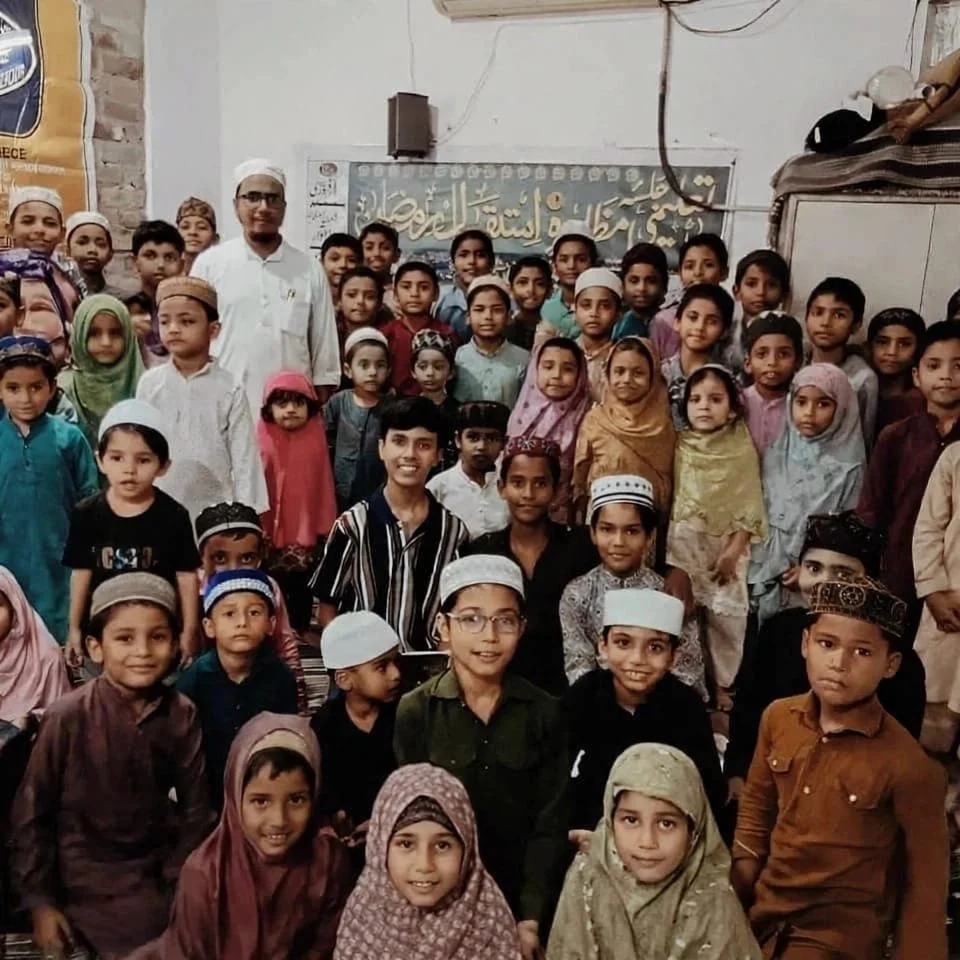
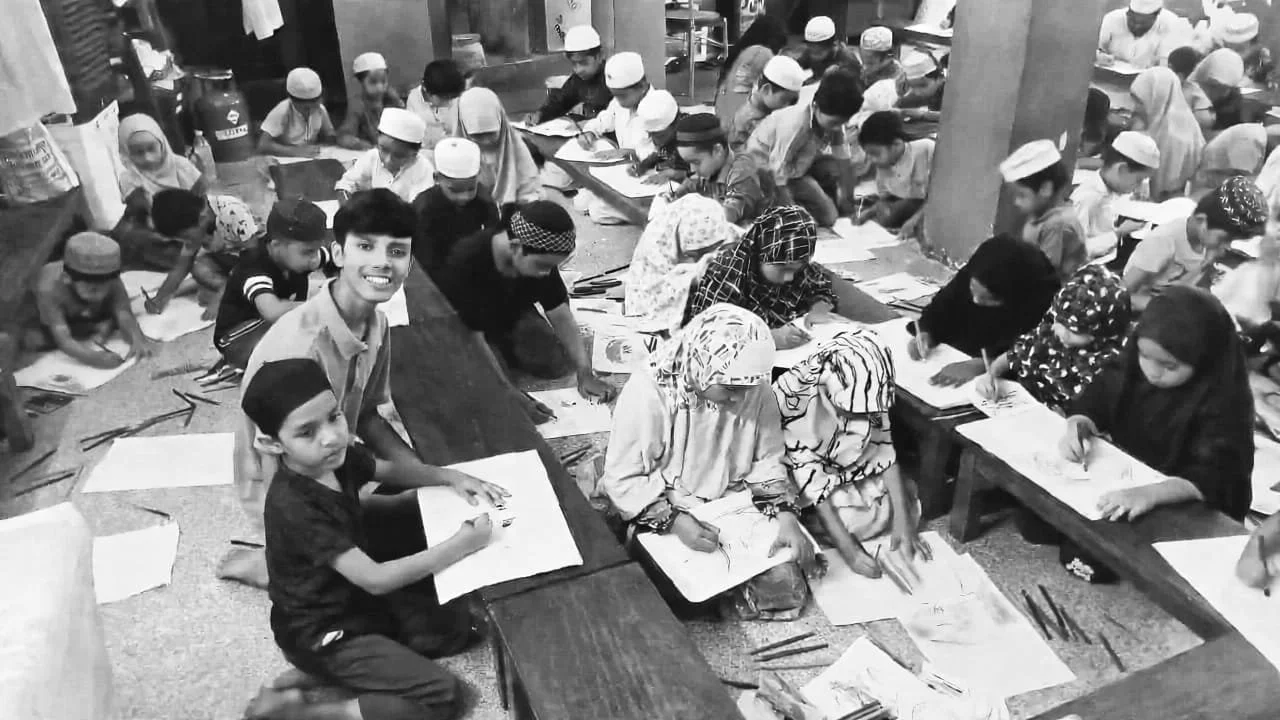
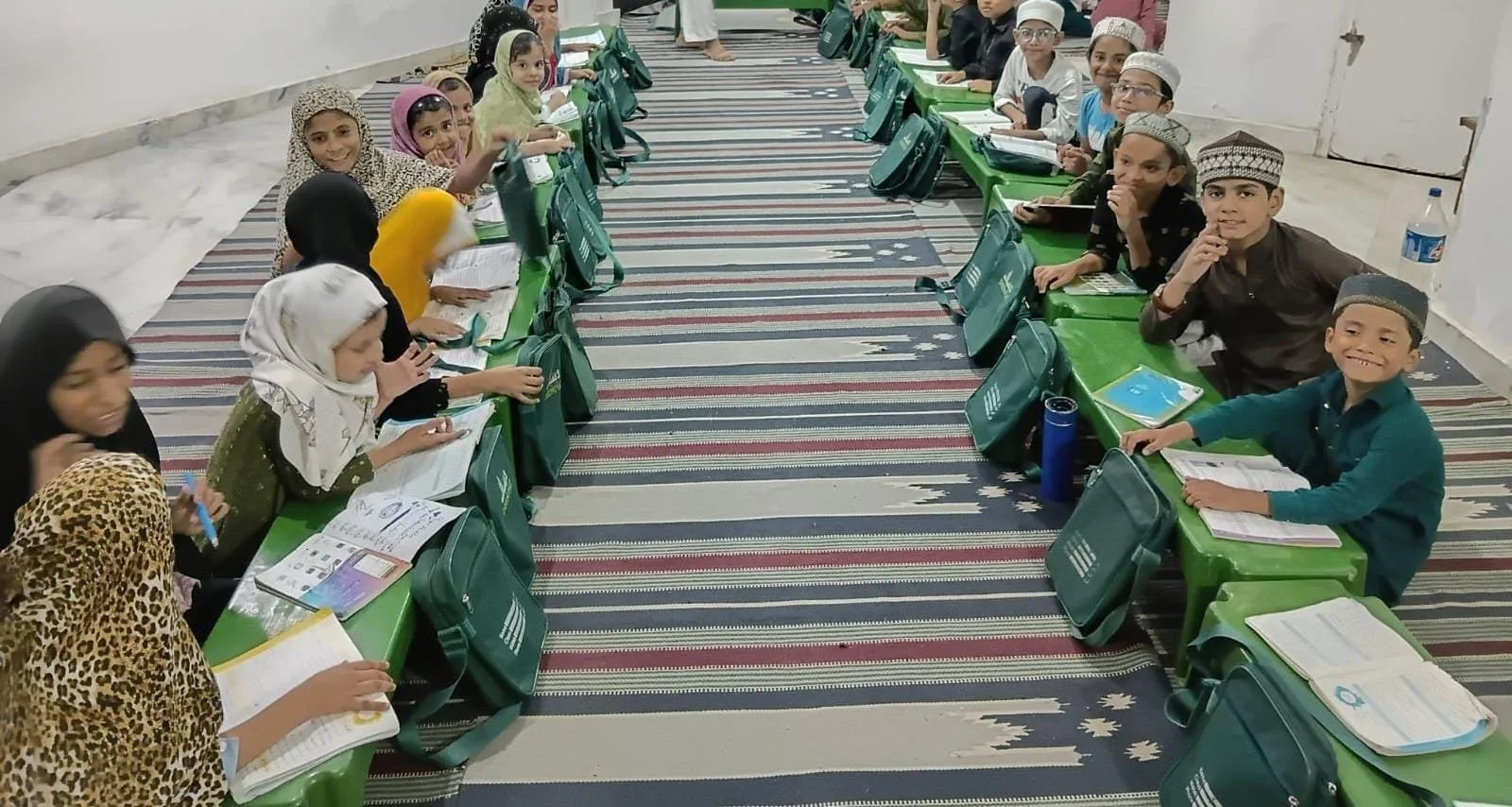
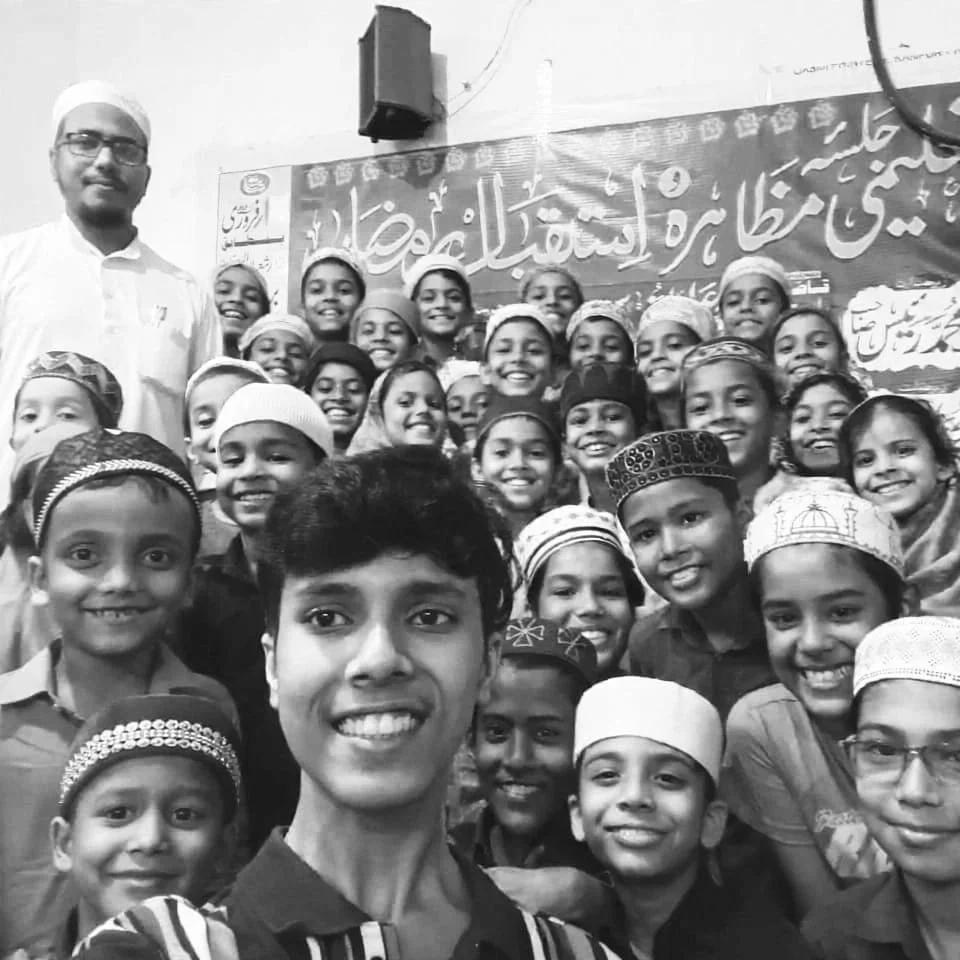
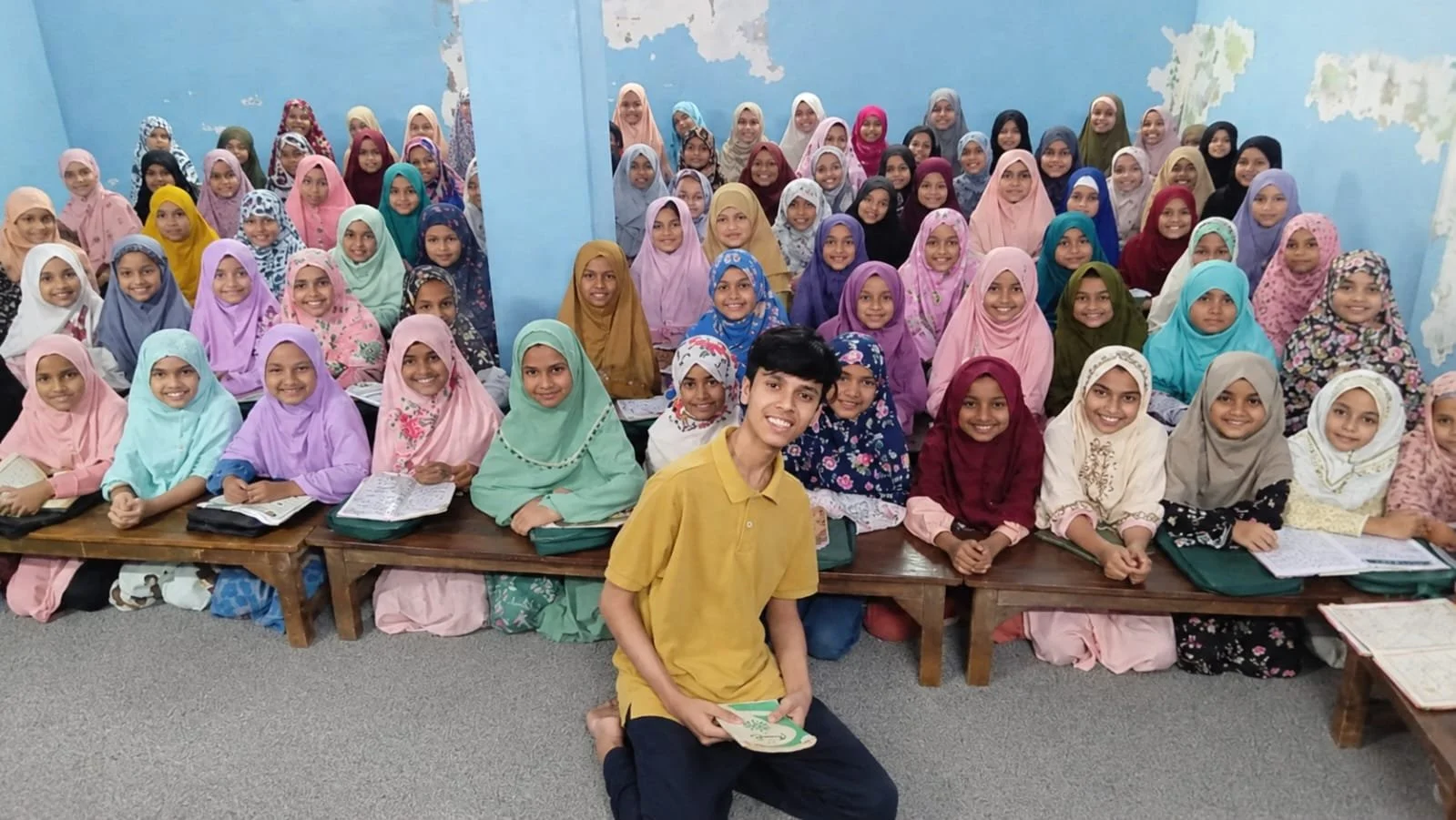
In 2025, MYM entered a new phase: taking its work directly into madrasa and maktab classrooms. Recognising that meaningful engagement requires more than simply providing information, we began developing and introducing art and creative writing curricula across 12 madrasas and maktabs.
The initiative sought to bring new dimensions of learning into these educational spaces. Through structured creative activities, students were encouraged to experiment with different forms of artistic expression, explore storytelling, develop their writing abilities, and communicate ideas drawn from their own experiences. From visual art and creative writing to poetry and imaginative exercises, the curriculum offered students opportunities to discover their voices and engage with the world around them in ways that extended beyond conventional classroom learning.
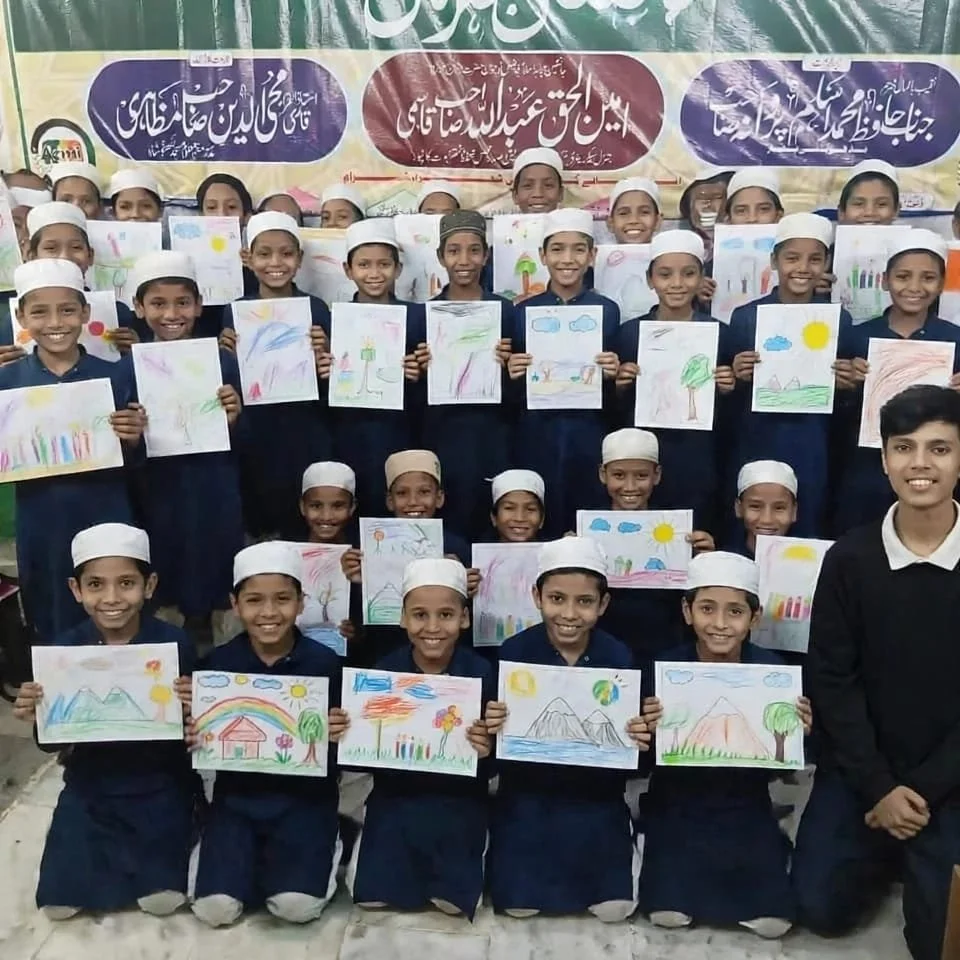
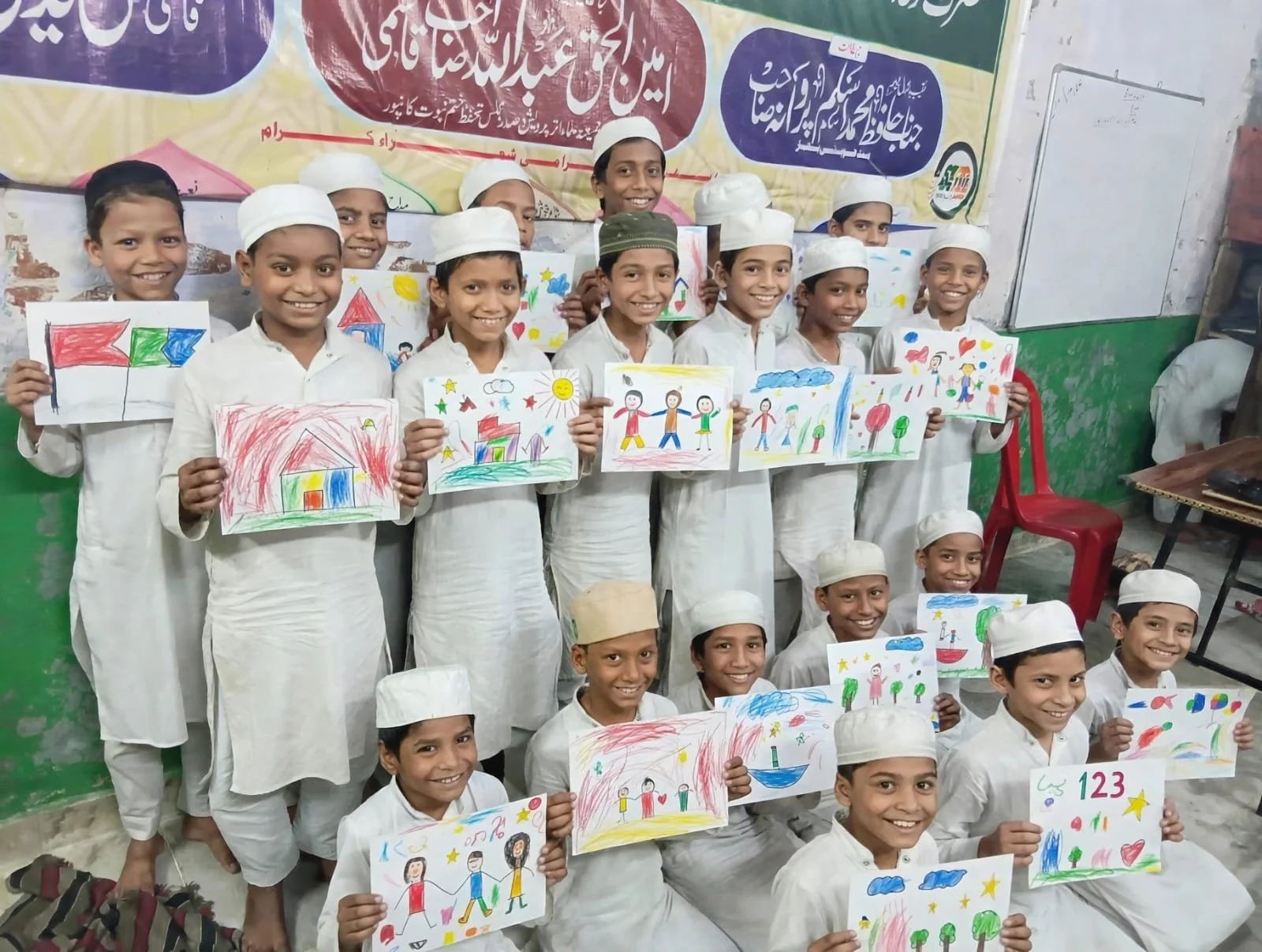
Abdullah worked directly with students across these institutions, introducing creative exercises and guiding them through different forms of artistic and literary expression. The sessions moved between written and visual formats, allowing students to experiment with poetry, descriptive passages, short narratives, sketches, and paintings. Writing prompts encouraged them to develop their own ideas and construct stories, while practical art activities gave them opportunities to translate those ideas into visual forms. Particular attention was given to making the activities accessible to students with varying levels of prior exposure to creative disciplines.
An important part of the programme was giving students the opportunity to move beyond completing assigned exercises and take ownership of their creative work. They were encouraged to develop original compositions, experiment with different styles, and share their finished pieces with their peers. This created opportunities for students to engage with one another's ideas, appreciate different forms of expression, and gain confidence in presenting their own work. For Abdullah, the initiative was also about making creative learning a visible and valued part of madrasa education, rather than something students encountered only outside their regular academic environment.
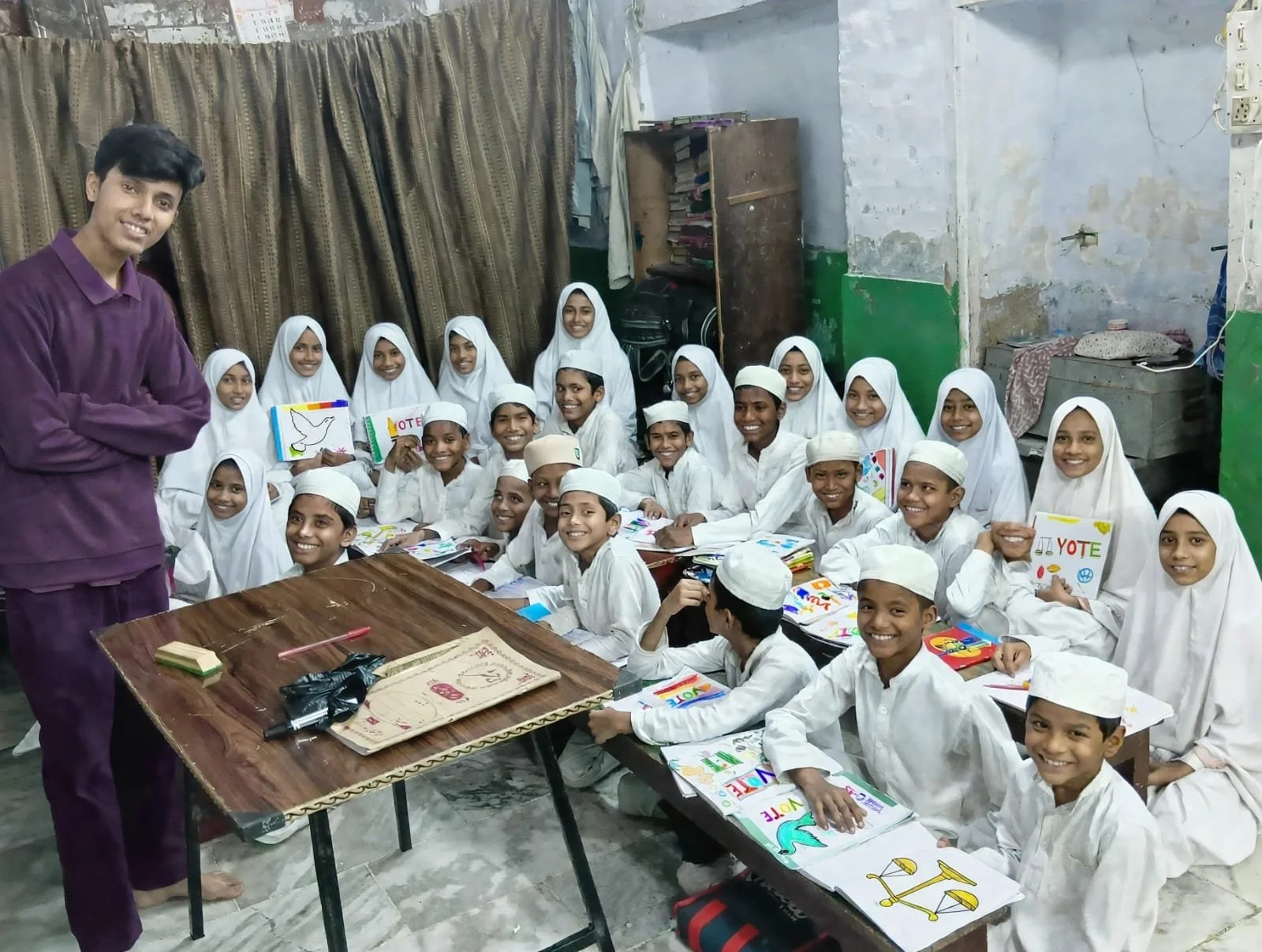
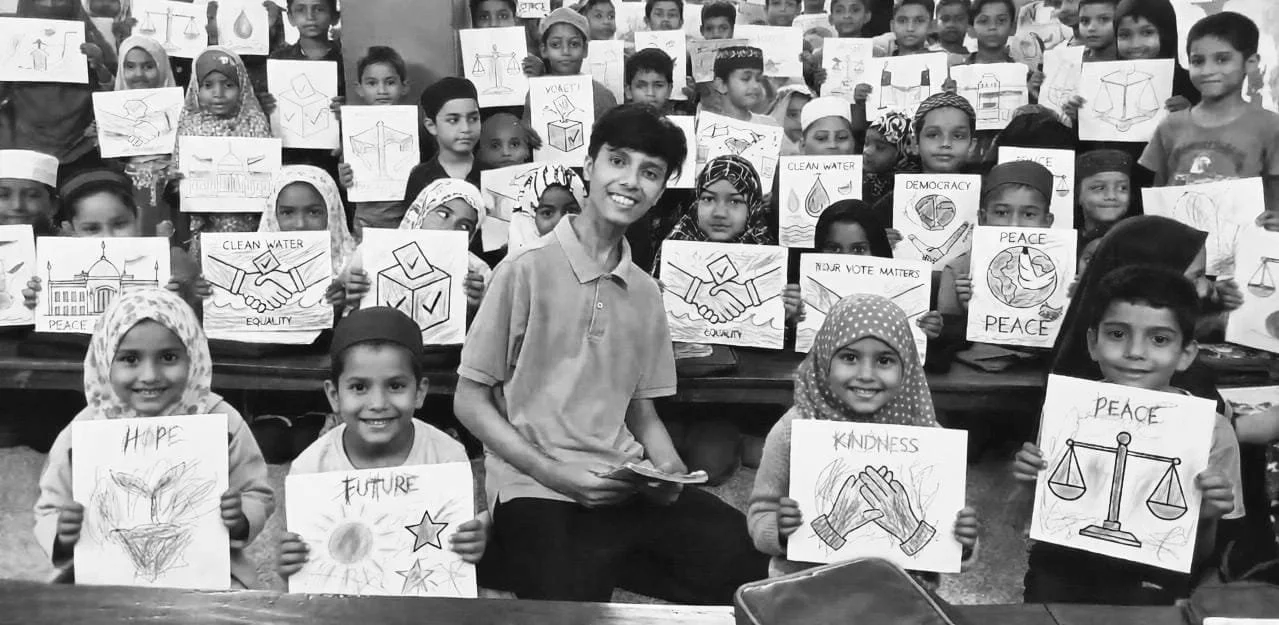
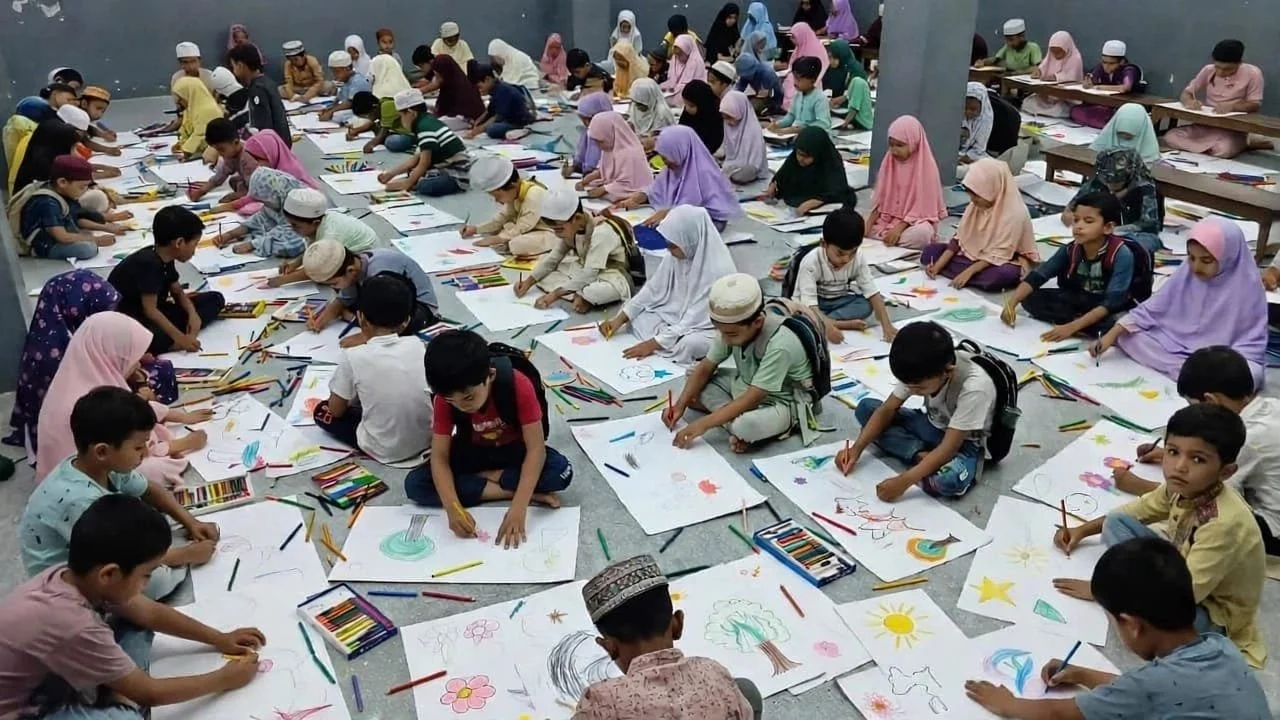
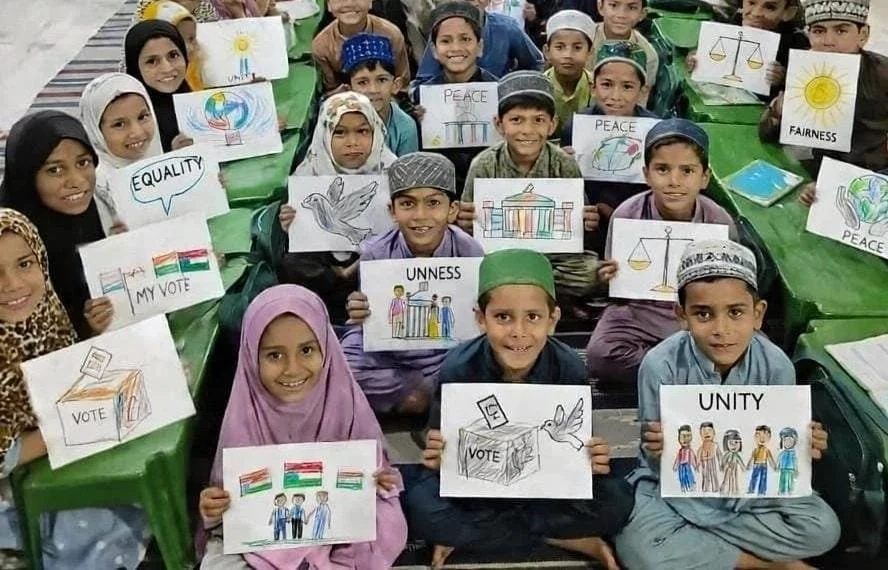
Abdullah partnered with 12 madrasa and maktab institutions to introduce art and creative writing as structured components of student engagement, bringing new creative opportunities into religious educational spaces and broadening the scope of learning beyond traditional academic and religious instruction.
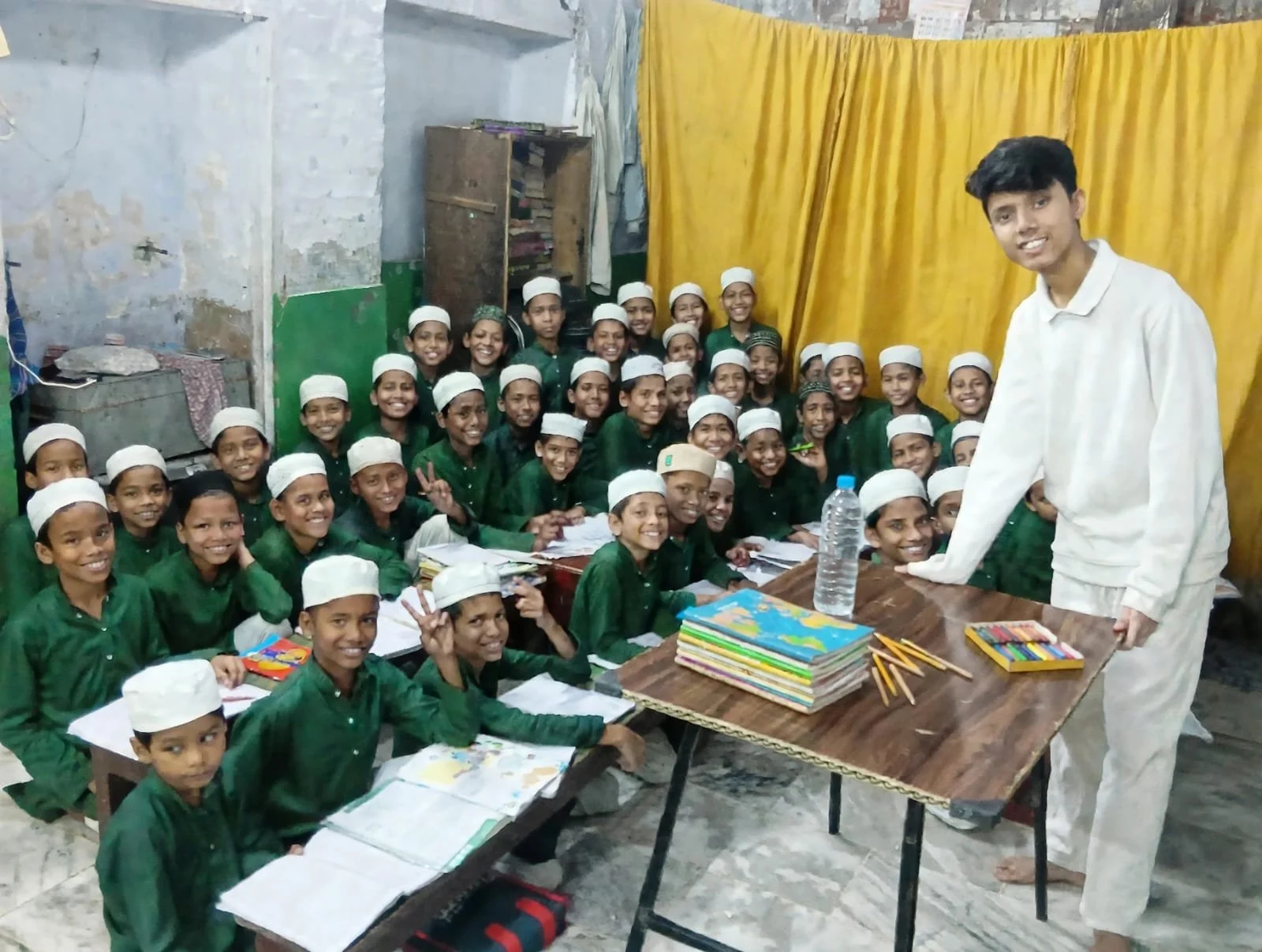
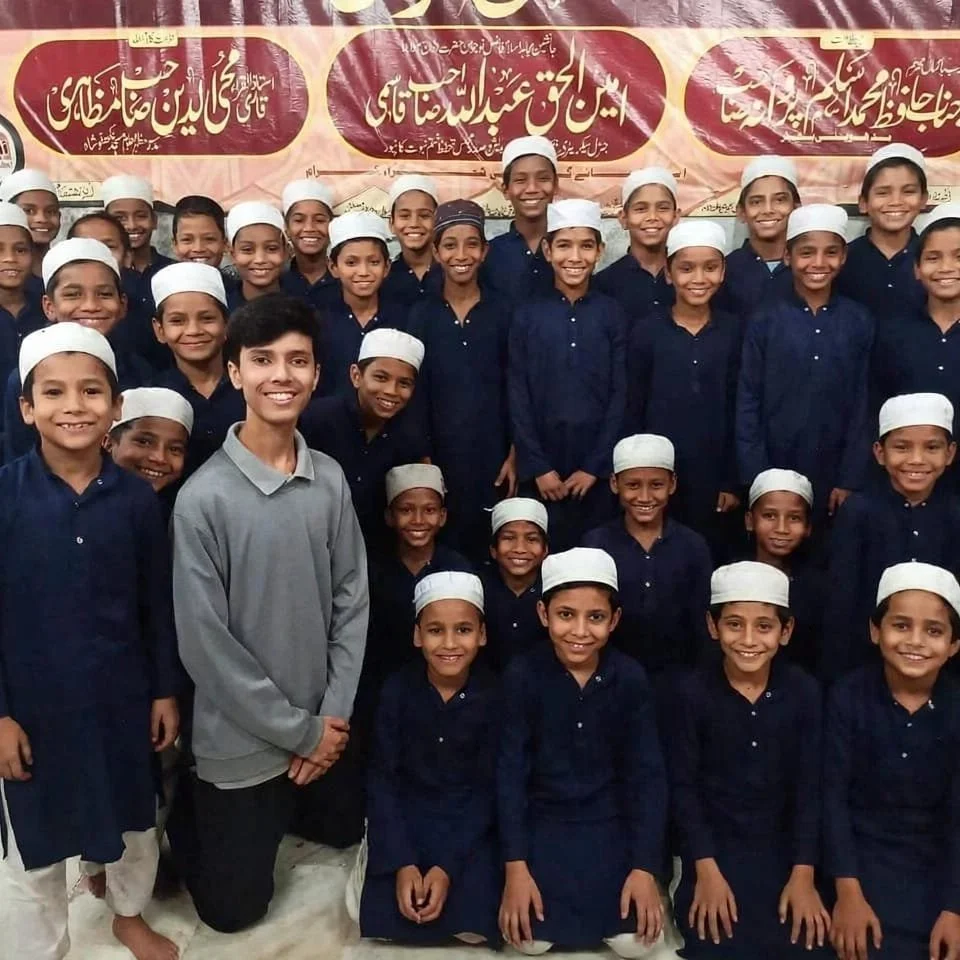
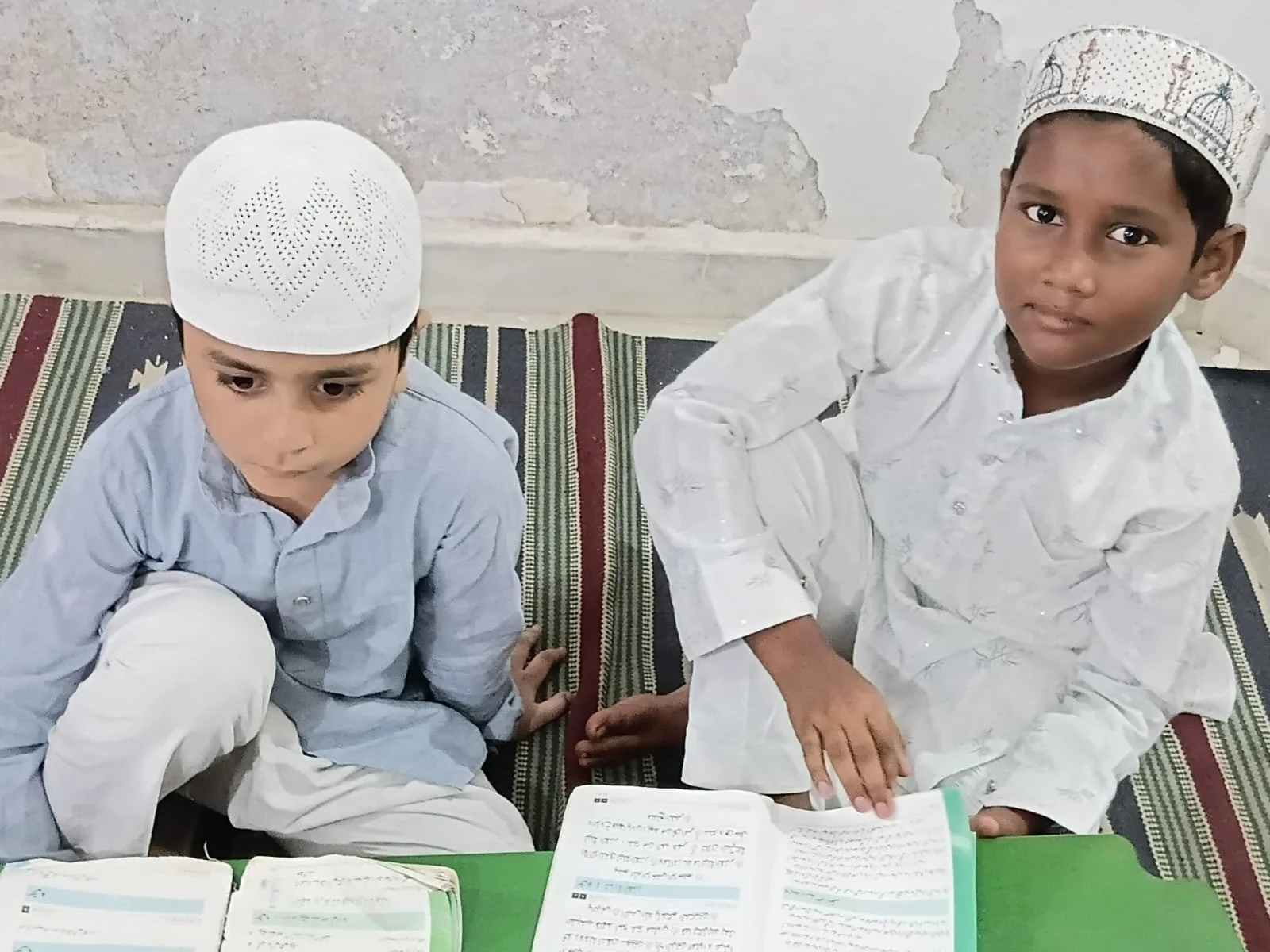
Abdullah developed age-appropriate learning modules covering poetry, short-story writing, descriptive writing, sketching, painting, and visual storytelling. Students worked through guided writing prompts, creative assignments, and practical art activities, with opportunities to develop original pieces and share their work. The curriculum was designed to give students hands-on exposure to creative disciplines that were largely absent from their regular learning schedules.
“I want Muslim youth to recognize that their voices belong in every sphere of society. They can question power through debate, challenge narratives through research, and reimagine the world through art. Civic engagement isn't limited to political institutions or public platforms; it begins wherever a young person finds the courage to question, create, and participate.”
— Abdullah Jawaid, Founder, Muslim Youth Matter